Tresswell Consulting Group
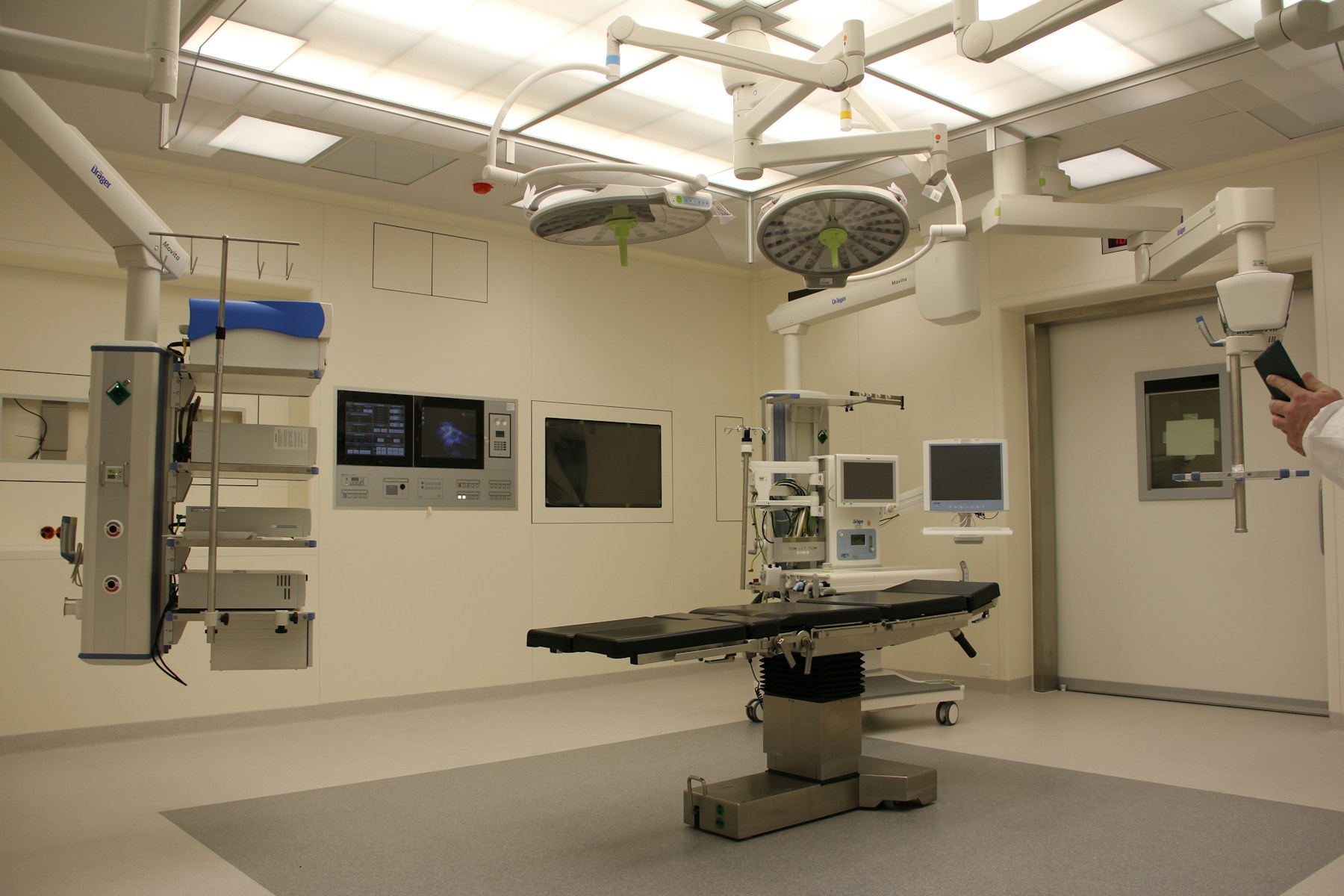
A bright clinical interior, used as sector imagery
Healthcare operations

Finding capacity in a cardiology procedure service

Session and procedure analysis to identify where readiness, cancellations and list design warranted review.

49.4%Recorded utilisation
25.8%Procedures cancelled
471Sessions analysed
Situation & complication

The decision behind the data.

How was a day-case cardiology procedure service using its scheduled time, and where should operational improvement begin?

An anonymised healthcare provider

Our analysis

Available time and recorded procedure time

Session records were linked to planned procedures to reconcile completed and cancelled activity, compare recorded operating time with available time, and examine session types, cancellation reasons and procedure mix.

Available operating time and recorded procedure time2,811.5 available hours; 1,390.1 hours of recorded operating time. The remaining time is not automatically recoverable capacity.
1,390 hours recorded operating time1,421 hours not used for recorded procedures
Recorded procedure time divided by available session time. Patient recovery may occur outside session time. The gap is not automatically recoverable capacity.
Evidence & findings

What the analysis showed.

Of 2,720 planned procedures, 2,017 were completed and 703 cancelled. There were 216 on-the-day cancellations: 30.7% of cancellations, rather than of all planned procedures. The largest recorded reason was unfit for procedure; that does not establish clinical avoidability.

Planned procedure conversion2,720 planned procedures: 2,017 completed and 703 cancelled.
2,017 completed / 74.2%703 cancelled / 25.8%

Recorded cancellation reasons

Unfit for procedure
217
Procedure no longer necessary
111
Treatment / surgery deferred
89
Other recorded reasons
286

Base: 703 cancellations. Categories are descriptive; clinical avoidability was not established.

216 cancellations occurred on the day

Review readiness and released-slot management with service leads, subject to clinical appropriateness, staffing and feasibility.

Resolution

A clear route to the next decision.

01

Review readiness

Examine readiness checks, cancellation reasons and how released slots are managed.

02

Plan sessions around the work

Compare expected procedure minutes and case mix with the available session.

03

Investigate operating flow

Validate paired timestamps and examine late starts, handovers and early finishes.

04

Establish a repeatable review

Agree KPI definitions, owners and a measured pilot with balancing measures.

Solution & deliverables

What the work delivered.

Excel analysis
Session and procedure records brought together for a structured operating assessment.
Findings presentation
A clear explanation of the operating picture, comparisons and improvement priorities.
Improvement proposal
Readiness, session planning, flow and performance review to validate with service leads.

Analysis and presentation completed. Operational changes are recommendations; implementation and realised benefits are not evidenced.

Read the complete case study PDF
Continue exploring

Another question. Another perspective.

Turning programme data into clearer funding priorities Balancing portfolio concentration with selective growth
Have something in mind?

What would you like to work through?

A few lines about the situation, what you’d like to achieve and when you need it are enough to start a brief.

Prepare a project brief